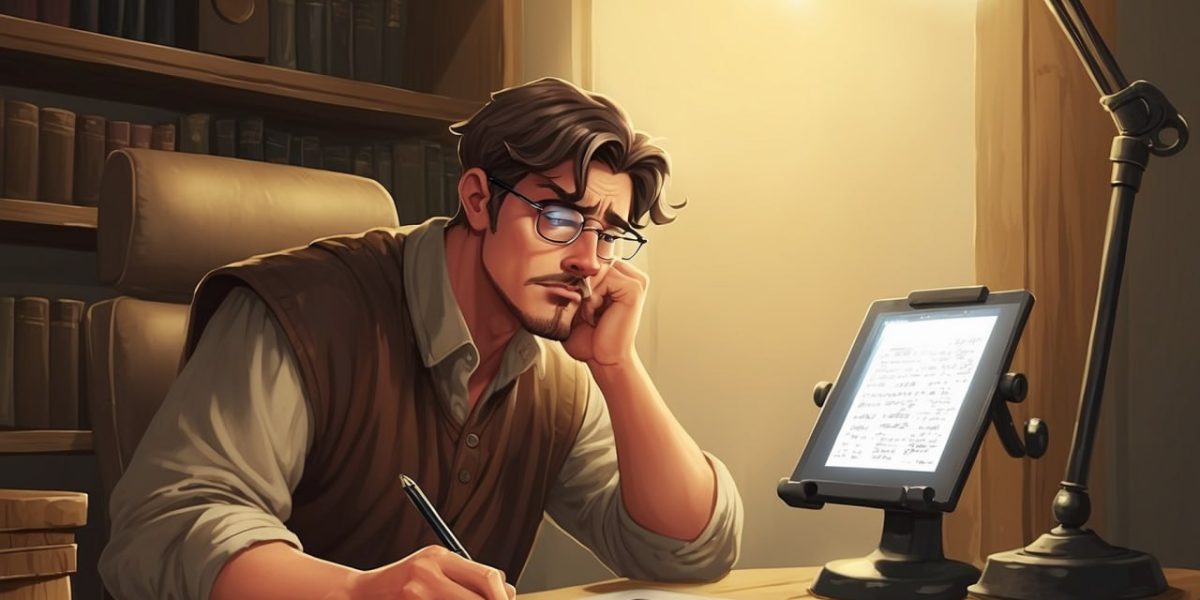
When the Senate passed the revised text of Bill 2338/2023, Brazil gained a regulatory framework that discusses everything — except what matters most to the people who create. The text dwells at length on the use of third-party works in model training. On paying rights holders. On transparency. On the right to opt out. All of that matters. But on the question thousands of artists are asking right now — “is the work I create with artificial intelligence mine?” — the bill is silent.
And that silence is not neutral. It is dangerous. Because in the vacuum of the law, what counts as authorship gets decided by platform algorithms, by the legal departments of large companies and, at the limit, by judges who have never opened a model-training interface.
That is where the deeper mistake lies: the law seems to see AI as nothing more than an image-slot machine. Someone types a prompt, the machine spits out a result, and that is it — no authorship, no protection, no owner. In most cases that is even true. But it is the view of the “quick prompt.”
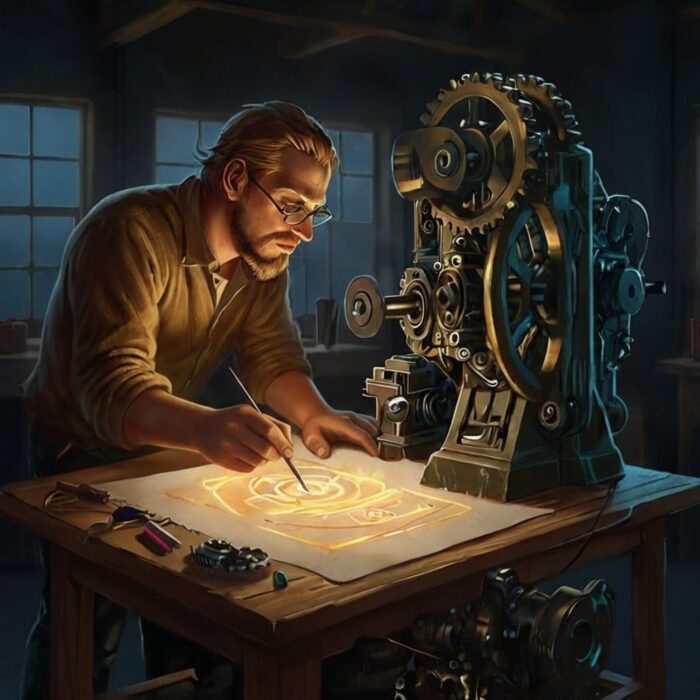
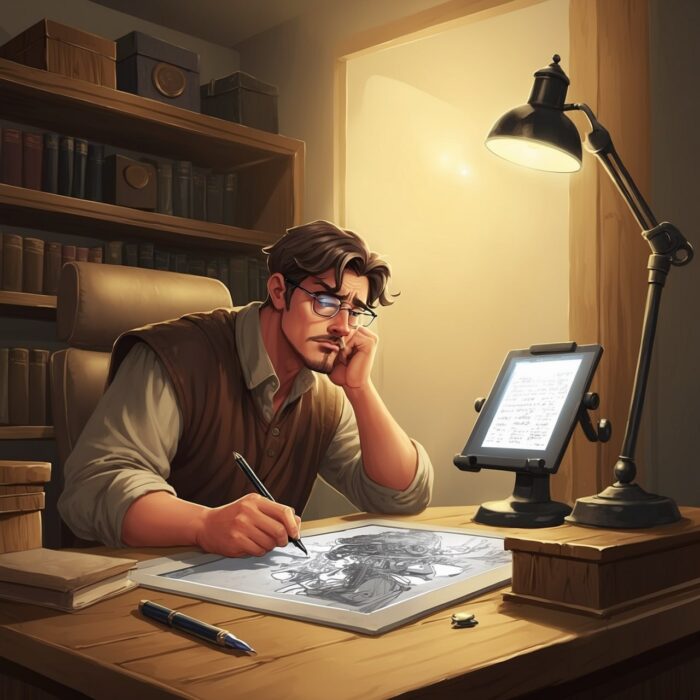
Anyone who lives with this technology knows there is another world. Tools like LoRAs, IP-Adapter, ControlNet and fine-tuning — and the patient work of anchoring generation in your own sketches — allow the artist to INTRODUCE THEIR OWN STYLE into the base model. The artist does not “ask” the machine for images: they TRAIN the machine with their visual style, direct every layer of the process and decide, with intention, what stays.
That is not a slot machine. That is authorship — of the highest order. A comic made from the author’s sketches, with a model tuned to their line, with every scene directed and approved by them, carries as much intention as a collage — in a collage, the direction, the choices, the placement and the retouching are what make the work authored. Why would generative AI be any different?
Authorship in the age of AI will not be won by people typing quick prompts. It will be won by those who use the tool deeply and wisely — who command the whole chain: from sketch to model training, from directing a scene to the final curation, from the paper trail to the proof of good faith.
A legislator who cannot see this is regulating a technology they do not know. And an artist who does not document their own process is betting against themselves.
The law may ignore authorship. The market — and history — will not ignore those who create with method.
#ArtificialIntelligence #Copyright #AIPolicy #FidentiaMethod #TheAIArtist